
Sleep Apnea & Snoring: Treating the Root Cause
Stop Suffering From Sleep Apnea
I have been helping people suffering from Sleep Apnea with a non-invasive, clinically approved treatment method. This method has allowed my patients to sleep with far fewer events per hour allowing them to get rid of their CPAP and BiPAP machines. Imagine not having to use one of those machines, getting back a much greater quality of life along with the benefits of being able to breathe better. To see if this groundbreaking treatment is right for you please fill out the form to schedule a time for a FREE consultation, this is a $500 value.
Interview with Dr. Gorman
In this in-depth interview, Dr. Gorman (Snoring Doctor in Encino, Los Angeles) reveals the latest advances in treating Sleep Apnea, Snoring, and Airway issues.
Call 1 818.995.1891 or Complete the Form
to Schedule a FREE Consultation
with Sleep Apnea Doctor in Encino, Los Angeles
Patient Testimonials for Sleep Apnea
What Is Sleep Apnea?
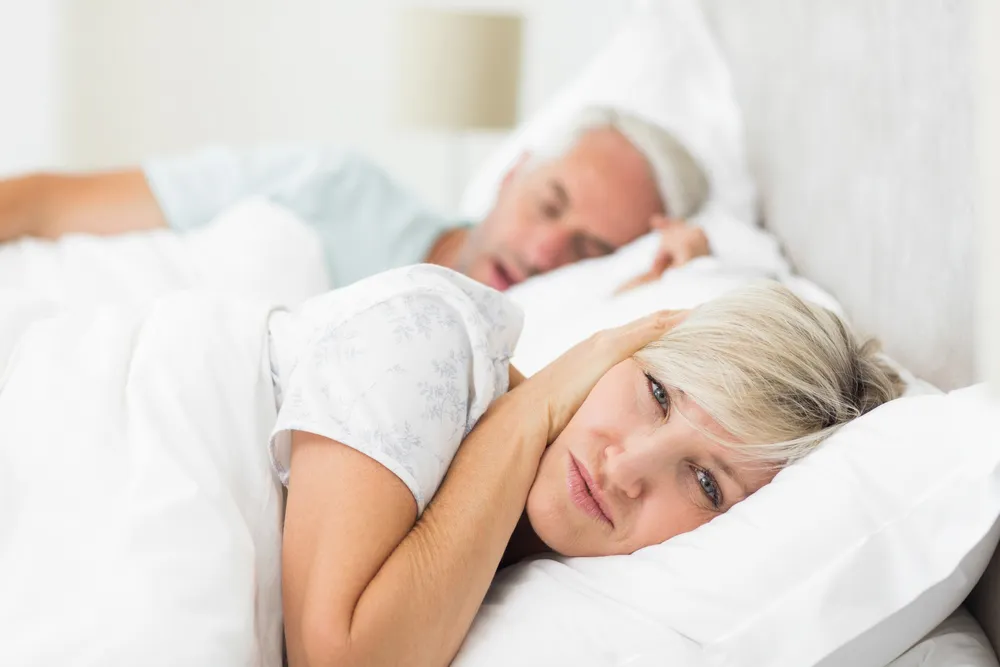
Sleep apnea is a prevalent condition that is characterized by frequent pauses in breathing when a person sleeps. According to the National Sleep Foundation, more than 18 million people in the United States suffer from sleep apnea, many of whom have not been officially diagnosed. When sleep apnea goes unnoticed, people cannot receive the treatment they need. Initially, this can lead to daily issues such as headaches, fatigue, and poor memory. Over time, sleep apnea can lead to more serious health concerns, including diabetes, hypertension, and stroke. Although sleep apnea can be a dangerous condition, Dr. Martin Gorman offers effective treatment options to manage the condition to reduce the risk of developing life-threatening problems.
To learn more about sleep apnea and the advantages of treatment with Dr. Gorman, we invite you to browse the sections on this page and/or contact our practice today to schedule an appointment.
Sleep Apnea Types
Sleep apnea can be categorized into three different types:
- Obstructive Sleep Apnea: The most common form, obstructive sleep apnea (OSA) occurs when the airway has been blocked, such as from tissue relaxing in the back of the throat.
- Central Sleep Apnea: When central sleep apnea (CSA) is present, the brain does not send the proper signals to the muscles responsible for breathing.
- Mixed Sleep Apnea: Mixed, or complex, sleep apnea involves a combination of both central and obstructive sleep apnea.
The best form of treatment will vary based on which type of sleep apnea has developed. To learn about the next steps for addressing your condition, you will first need to schedule a sleep study to receive a diagnosis, after which you can discuss your treatment options with Dr. Gorman.
Causes of Sleep Apnea
Obstructive sleep apnea is caused by the the muscles and soft tissues in the throat, mouth, or nose relaxing to the point of narrowing the breathing passages. As the airway becomes smaller, breathing becomes more difficult, and the tissues in the back of the throat may begin to vibrate with every breath, due to forcing air through the decreased space. These vibrations produce the sound we associate with snoring. Although snoring does not always mean a person has sleep apnea, this may be a warning sign they are not getting enough oxygen at night. In addition to snoring loudly, people suffering from sleep apnea may experience several pauses in breathing, lasting 10 seconds or more.
Since sleep apnea reduces a person’s ability to breathe properly, possibly limiting the oxygen to their brain, it is vital for those who suspect may have the condition to seek our treatment.
Sleep Apnea Signs and Symptoms
While some people may notice they have obstructive sleep apnea, most cases are first discovered by family members. This is because the signs and symptoms are more obvious to those around the sufferer. Common indications that a person has sleep apnea include:
- Loud snoring.
- Gasping or choking during the night.
- Headaches in the morning.
- Sore throat or dry mouth after waking up.
- Difficulty remembering and concentrating.
- Increased need to urinate during the night.

These symptoms typically occur because the individual cannot breathe properly as they sleep, disrupting their quality of sleep. As a result, people tend to feel especially fatigued throughout the day and may have issues trying to stay awake.
Do I Have Obstructive Sleep Apnea (OSA)?
Although OSA is the most common manifestation of sleep apnea, the breathing disorder commonly goes undiagnosed because key symptoms—such as snoring and pauses in breathing—occur at night while a patient is asleep. Nevertheless, obstructive sleep apnea can pose a great risk to an individual’s health and well-being, with these disruptions in breathing often culminating in daytime symptoms as well as cardiovascular and blood pressure problems. A consultation with Dr. Gorman can help determine whether you may be affected by obstructive sleep apnea (an official diagnosis can be obtained from a physician), but the following checklist can help you gain a more thorough understanding of whether your symptoms may be an indication of OSA:
- I snore. Since snoring typically acts as the response to a partially closed airway, snoring can be a telltale sign of the excessive relaxation of soft tissues in the throat (a symptom of OSA). It is estimated that one in three patients who snore are affected by obstructive sleep apnea.
- I breath through my mouth. Mouth breathing cancels the ability to filter out pollutants, allergens, pesticides, smog, pollen, and other microbes when taking in oxygen, often causing swelling and inflammation of the throat that can restrict the airways.
- I often feel tired and unenergetic during the day. Daytime sleepiness is a common symptom of obstructive sleep apnea, as patients who experience frequent pauses in breathing while asleep may fail to spend adequate time in the deeper sleep stages, resulting in fatigue and sleepiness throughout the day.
- I have a chronic cough, sore throat, or difficulty swallowing. Throat issues have a high correlation to cases of OSA, with conditions like Gastroesophageal Reflux Disease (GERD) and sleep apnea often occurring together. A dry mouth and sore throat upon waking up can be an effect of breathing through the mouth, which is considered dysfunctional breathing that is likely to inflame the tissues of the throat.
When your breathing pauses for more than ten seconds at a time while asleep (an event characteristic of sleep apnea), the “fight or flight” response in the Sympathetic Nervous System activates and releases stress hormones—such as cortisol—into the bloodstream. These elevated cortisol levels can result in increased blood pressure, cardiac arrhythmia, an increased hunger drive, and other health hazards over time if the breathing disorder is left untreated. For these reasons, timely evaluation of your symptoms and proactive treatment is essential.
What Are the Risks of Sleep Apnea?
Sleep apnea that goes untreated can lead to a wide range of issues. People living with the condition who do not receive prompt treatment are at a higher risk of experiencing the following:
- Loud Snoring
- Snorting or Gasping for Air
- Frequent Nighttime Urination
- Morning Headaches
- Irritability
- Daytime Sleepiness
- Memory Loss
- Lack of Energy
- Drowsy Driving
- Excessive Stress
- Cardiovascular Strain
- Erectile Dysfunction
- Increased Risk for Accidents
- Weight Gain
- Depression
- High Blood Pressure
- Stroke

Insurance
Some treatments may be partially covered by medical insurance. Sleep apnea care may qualify for medical coverage. Our team helps you understand and maximize your benefits, and we offer a complimentary benefits check before your visit.
Sleep Apnea Treatments Encino, Los Angeles
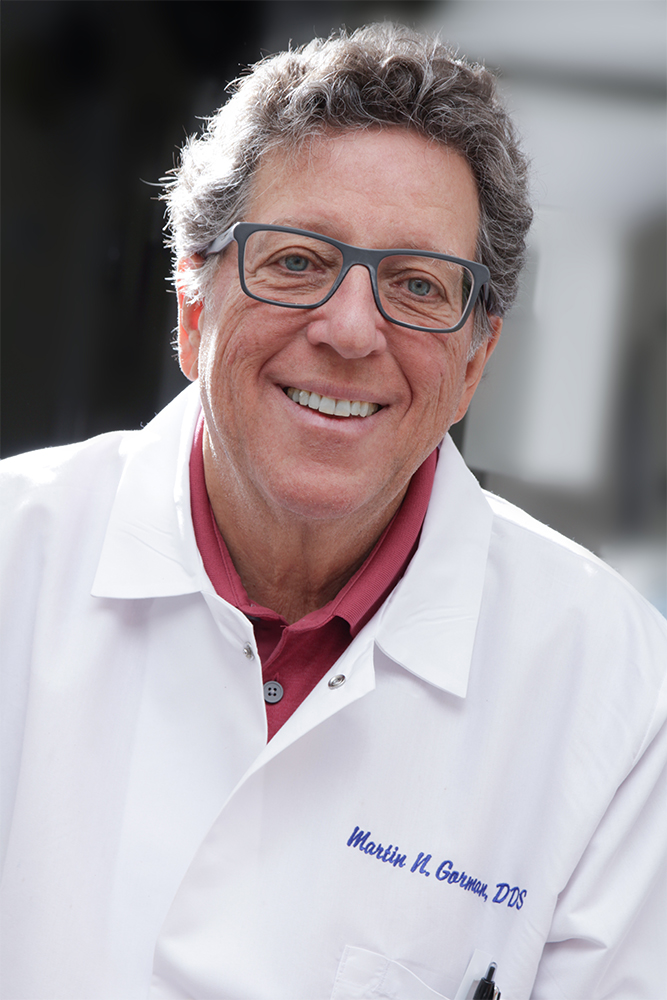
Dr. Gorman: The Breathing Wellness Movement
Dr. Gorman is a part of the breathing wellness movement, which aims to increase awareness and improve treatment for sleep-related airway conditions like sleep apnea. He has partnered with organizations focused on collaborating with dentists to apply the sciences of Craniofacial Epigenetics (the study of cranial modifications caused by gene expression as opposed to genetic code alteration) and Pneumopedics® (the practical application of oral appliance therapy and non-surgical airway remodeling) in the management of sleep apnea. Together, the application of these sciences allows for underlying causes of airway obstruction to be treated in 98% of cases, resulting in a high success rate among sleep apnea patients.
For every sleep apnea case at our practice, Dr. Gorman will gather patient data and determine the patient’s specific needs based on home sleep test results, dental impressions, CT scan, and images. Our state-of-the-art technology paired with Dr. Gorman's experience with sleep disorders allows him to find the most effective treatment plan for each individual’s particular case, yielding improved daytime and nighttime breathing for the patient.
Frequently Asked Questions About Sleep Apnea
How do I know if I need sleep apnea treatment in Encino?
If you experience symptoms such as loud snoring, daytime fatigue, morning headaches, or observed pauses in breathing during sleep, you should consult for sleep apnea treatment to prevent health complications.
How long does it take to see results from your sleep apnea treatment in Los Angeles?
Our patients notice significant improvement in sleep quality and reduction in symptoms within a few weeks of starting sleep apnea treatment, especially with consistent use of oral appliances.
Can sleep apnea treatment improve my overall health?
Yes, effective treatment can reduce risks associated with untreated sleep apnea such as high blood pressure, heart disease, and daytime fatigue, leading to improved overall wellness.
How do I prepare for my first sleep apnea treatment consultation?
Bring any prior sleep study results and be ready to discuss your symptoms such as snoring, daytime sleepiness, and any breathing interruptions during sleep. This helps us tailor your sleep apnea treatment in Encino.
What lifestyle changes complement sleep apnea treatment in Encino?
Maintaining a healthy weight, avoiding alcohol before bed, quitting smoking, and sleeping on your side can enhance the effectiveness of sleep apnea treatment in Encino.
How often will I need to visit for follow-up during sleep apnea treatment in Los Angeles?
Regular follow-ups every few months allow us to monitor your progress and make any necessary adjustments to your sleep apnea treatment for optimal results.
How long does the custom fitting process take for oral appliances?
The fitting usually takes one or two visits to ensure the device is comfortable and effective as part of your sleep apnea treatment in Encino.
Will the treatment improve my daytime energy levels?
Our patients report feeling more rested and energetic during the day once their sleep apnea is effectively treated with our sleep apnea treatment in Los Angeles.
How quickly will my snoring reduce after starting sleep apnea treatment in Encino?
Our patients notice a reduction in snoring within days or weeks of starting treatment, depending on the severity of their condition.
Is sleep apnea treatment in Encino a long-term commitment?
Yes, managing sleep apnea typically requires ongoing treatment and regular follow-up visits to ensure optimal results and adjust therapy as needed.